Вьетнам, рецензируется по почте - Разработка комплекса ручных сигналов при тушении пожаров и проведении спасательных работ в условиях задымлённости и токсичных газов
DEVELOPING A SET OF NON-VERBAL COMMUNICATION SIGNALS WHEN PERFORMING FIRE FIGHTING AND RESCUE OPERATIONS IN SMOKE AND TOXIC GAS ENVIRONMENTS
При пожаротушении и спасательных работах вербальное общение часто ограничено в условиях задымления и токсичных газов. В данной статье рассматривается создание набора невербальных символов коммуникации, основанных на принципах краткости, простоты понимания и последовательности, которые обеспечиваются жестами рук и положениями тела.
In firefighting and rescue operations, verbal communication is often limited in smoke and toxic gas environments. This article introduces the construction of a set of non-verbal communication symbols based on the principles of brevity, ease of understanding, and consistency through hand gestures and body postures.
1. Introduction
In firefighting and rescue operations, information plays a central role in the entire command and control process. The smooth coordination between soldiers, team leaders and commanders at the scene depends closely on the ability to exchange two-way information - a decisive factor in the effectiveness and safety of all operations. Accurate and timely information not only helps commanders make appropriate tactical decisions, but also ensures that orders are executed synchronously, minimizing risks and damage.
The development of science and technology in recent times has brought many modern communication support tools such as walkie-talkies, handheld speakers, wireless communication systems, etc. However, in the specific conditions of firefighting and rescue operations (loud noise from motor vehicles, wide range of operations, radio signals are easily interfered or congested), the use of the above equipment often does not ensure stability and reliability. In addition, when firefighters, rescuers, and emergency workers have to work in environments with toxic chemicals or a lot of smoke and toxic gases, they must use specialized personal protective equipment such as gas masks, isolation masks, pressure suits, or chemical-resistant suits. Although these equipment ensure the safety of soldiers, they also severely limit the ability to communicate verbally; speaking, listening, or recognizing sounds is almost impossible [1].
In this situation, non-verbal communication, especially hand signals, is considered the optimal solution to help maintain information exchange in harsh conditions.
2. The situation of using hand signals in firefighting and rescue operations in Vietnam
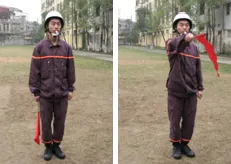
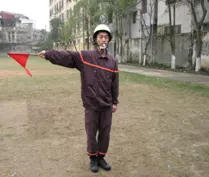
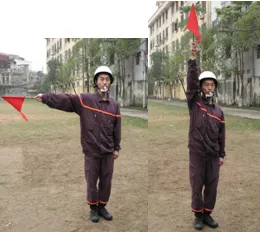
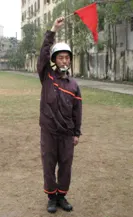
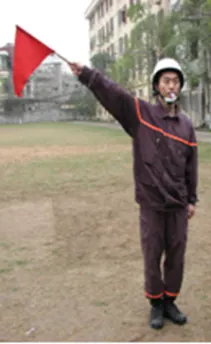
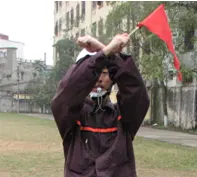
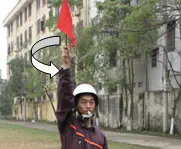
In Vietnam, hand signals are also used in firefighting and rescue operations. When deploying firefighting and rescue teams, team leaders use hand signals combined with flags and whistles to command soldiers to follow their decisions, specifically commands to increase or decrease the pump pressure of fire trucks, cut off water, or retrieve vehicles [2].
Figure 1 a. Increase pressure from 1 – 3 at |
Figure 1 b. Increase pressure from 3 – 5 at |
Figure 1 c. Increase pressure from 5 – 8 at |
Figure 1 d. Increase pressure from 8 – 12 at |
Figure 1 e. Decrease pressure |
Figure 1 f. Turn off the water |
Figure 1 g. Recovering | |
3. Develop a set of hand signals for fire fighting and rescue operations in smoke and toxic gas environments.
Based on the study of the use of hand signals in some fields in Vietnam and some countries in the world [3-5], the article builds some signals when using SCBA. When using SCBA, the main information that needs to be exchanged includes:
- Safety parameters when using SCBA.
- Feelings when using SCBA.
These signals all ensure the requirements:
- Expressed by simple hand movements or body postures, easy to perform, can be clearly observed in a short time.
- Standardized nationwide.
- Suitable for actual combat conditions with thick smoke, low light, short visibility, loud noise and high temperature.
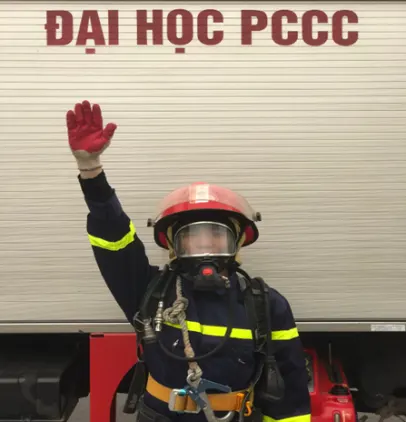
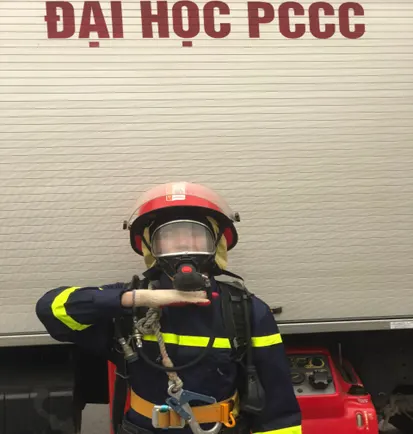
Figure 2. Attracting attention |
Figure 3. Everything is fine |
Figure 4. Check the pressure gauge/Show me your pressure gauge |
Figure 5. Remaining pressure 50 bar |
Figure 6. Remaining pressure 100 bar |
Figure 7. Remaining pressure 250 bar |
Figure 8. The remaining air is just enough to go back |
Figure 9. Need help |
Figure 10. Move closer |
Figure 11. I am not okay |
Figure 12. I am in danger |
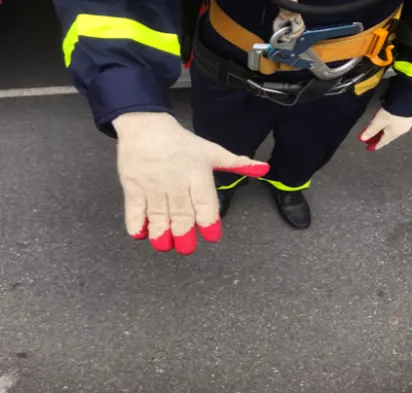
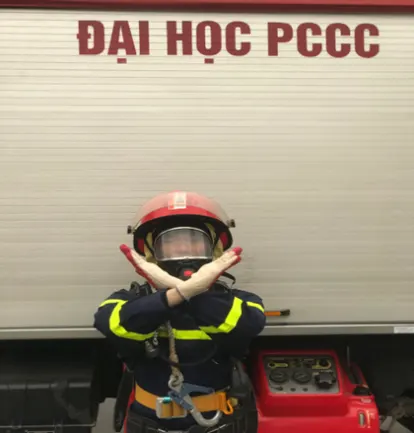
Figure 13. Stop work |
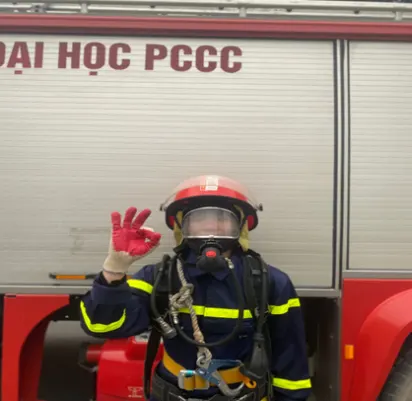
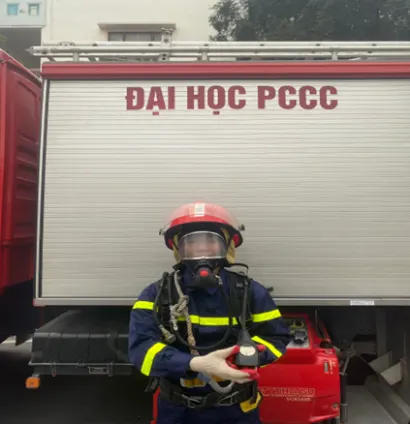
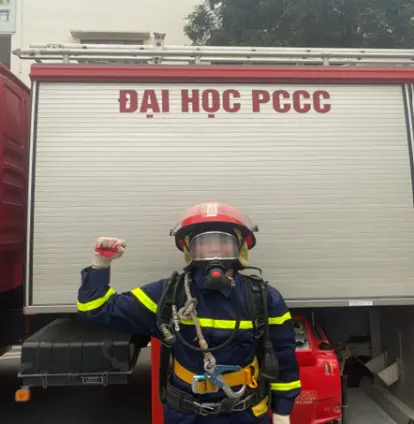
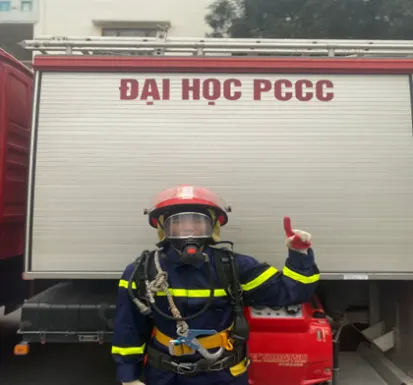
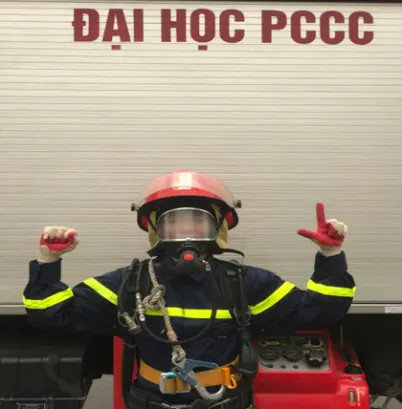
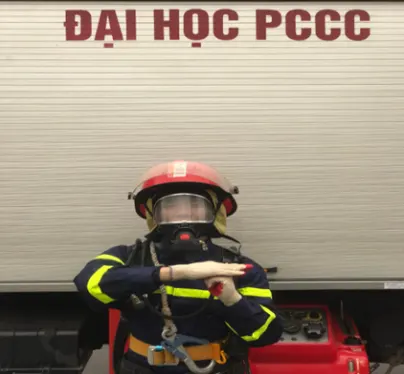
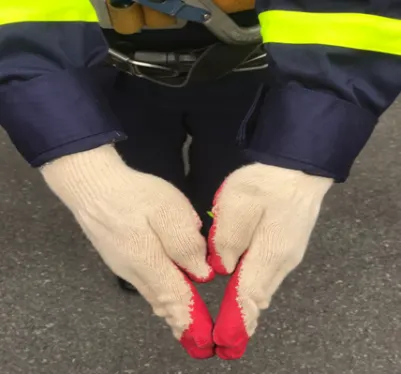
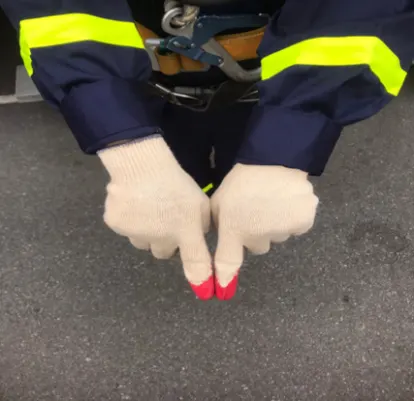
|
|
|
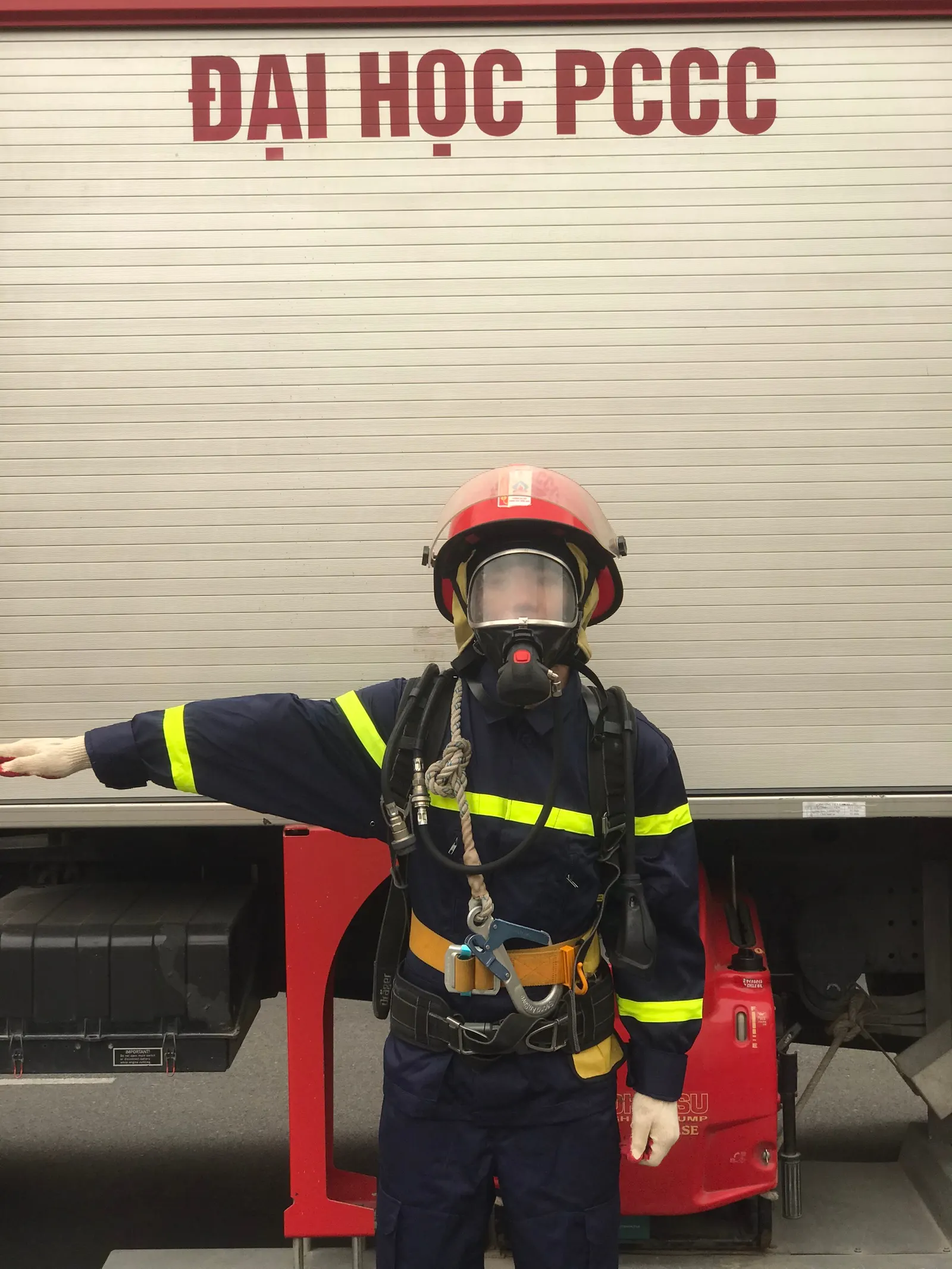
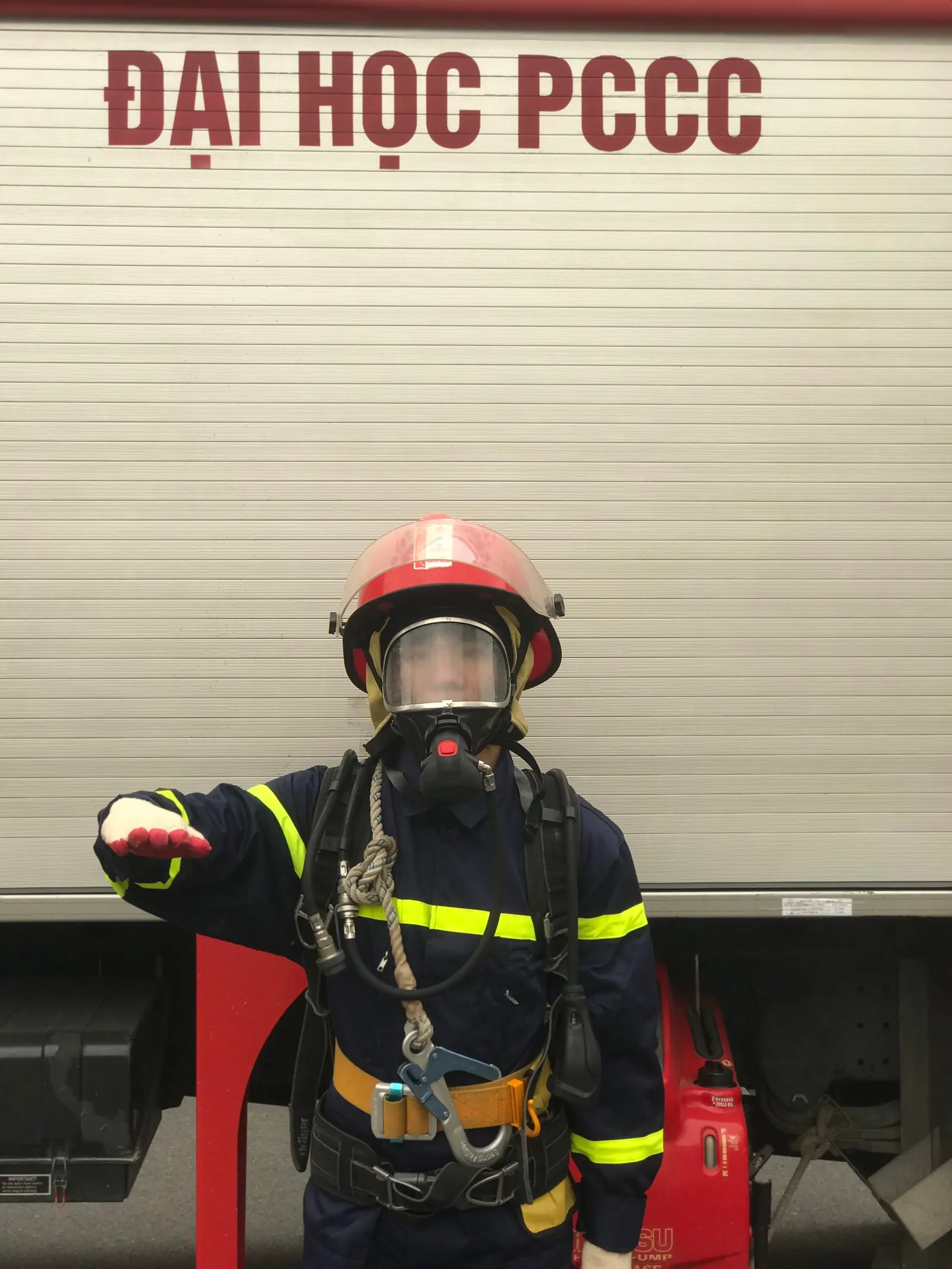
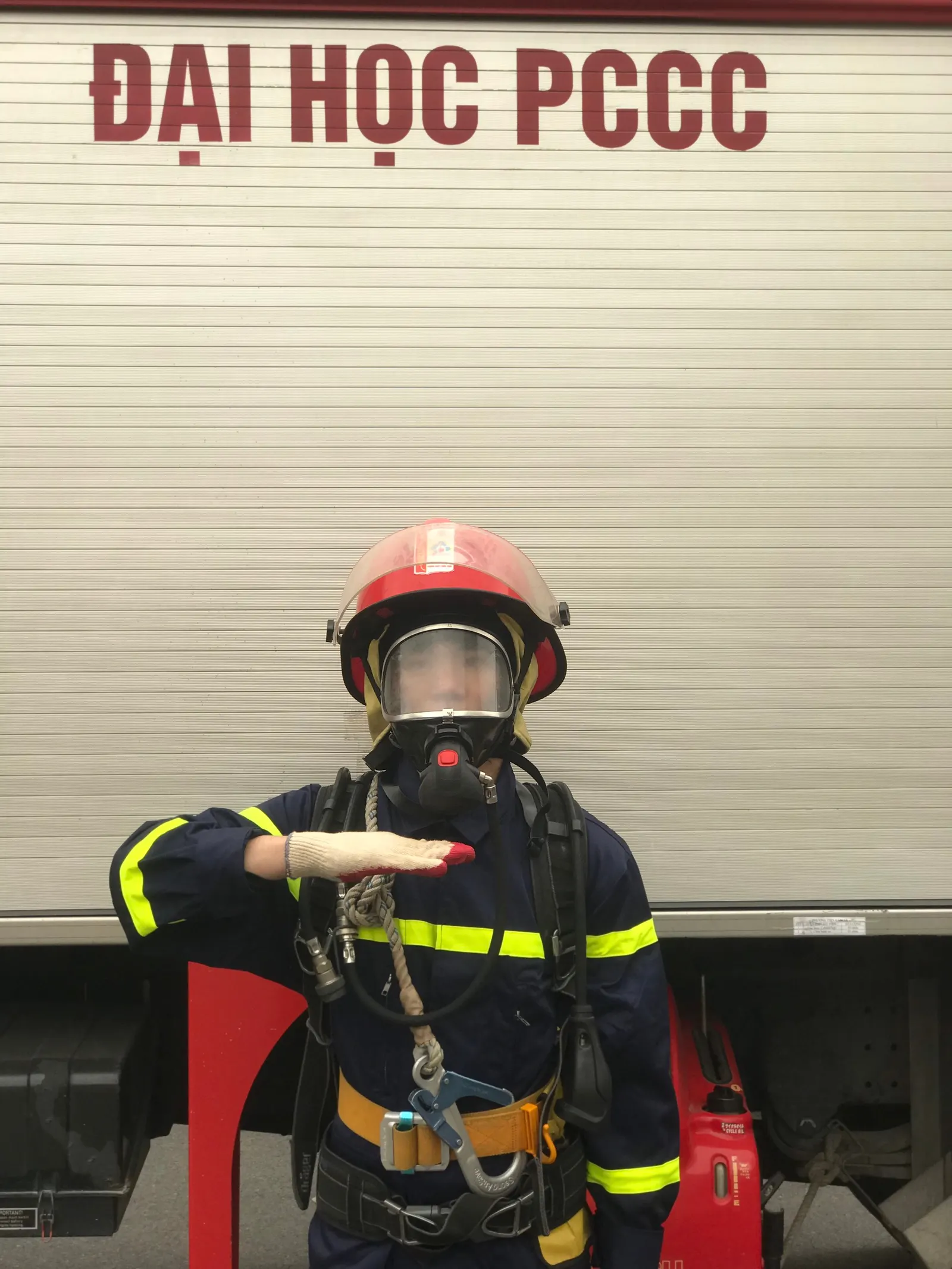
Figure 14. Stop and wait for orders
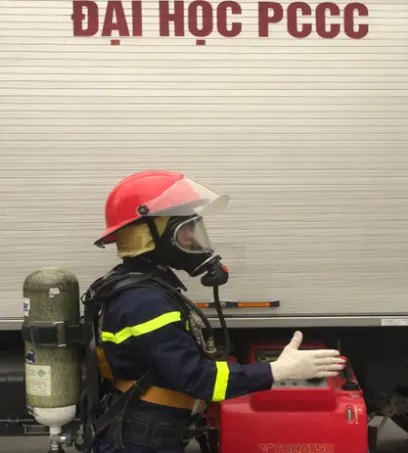
Figure 15. Go this way
Some notes when using hand signals:
- The soldier giving the signals must be in a position with good observation conditions.
- Before giving the signals, make sure that the attention of the soldier who needs to convey the information has been attracted;
- Give the signal until the receiving soldier gives the receiving signals;
- The soldier receiving the signal, if it is clear, must give the receiving signals in response;
- All signals use the right hand first.
4. Conclusion
The non-verbal communication signals set was developed to overcome the limitations in information exchange when performing firefighting and rescue tasks in smoke and toxic gases environments. This signals system was designed based on the principles of brevity, ease of understanding, ease of observation and consistency, suitable for actual combat conditions and personal protective equipment of the force. This research is an important initial step in standardizing non-verbal communication in the field of fire fighting and rescue, and at the same time creates a scientific foundation for building national technical standards on communication signals systems in special conditions, towards force modernization and international integration.
References
- Dinh Ngoc Tuan (2006), Basic issues of fire fighting tactics, Hanoi.
- Vu Van Thuy, Tran Kim Khanh, Nguyen Chi Dung (2010), Lecture series on firefighting and rescue individual techniques, Hanoi.
- Садыков И.И., Крюкова И.С. (2018), Общение газодымозащитников при работев непригодной для дыхания среде, Материалы6-ймеждународной научно-практической конференции "Пожаротушение:проблемы, технологии, инновации", Москва.
- http://www.firenotes.com/OCFDstuff/SOPmain/sops/chf/chfbb2handsignalsmanual.pdf
- Department of the Army (2017), TC 3-21.60 (FM 21-60) Visual Signals, Washington, DC.